

If a picture says a thousand words, Shea wrote a series
- Samira V. Banat

- Jun 17, 2020
- 5 min read
Updated: Nov 8, 2021

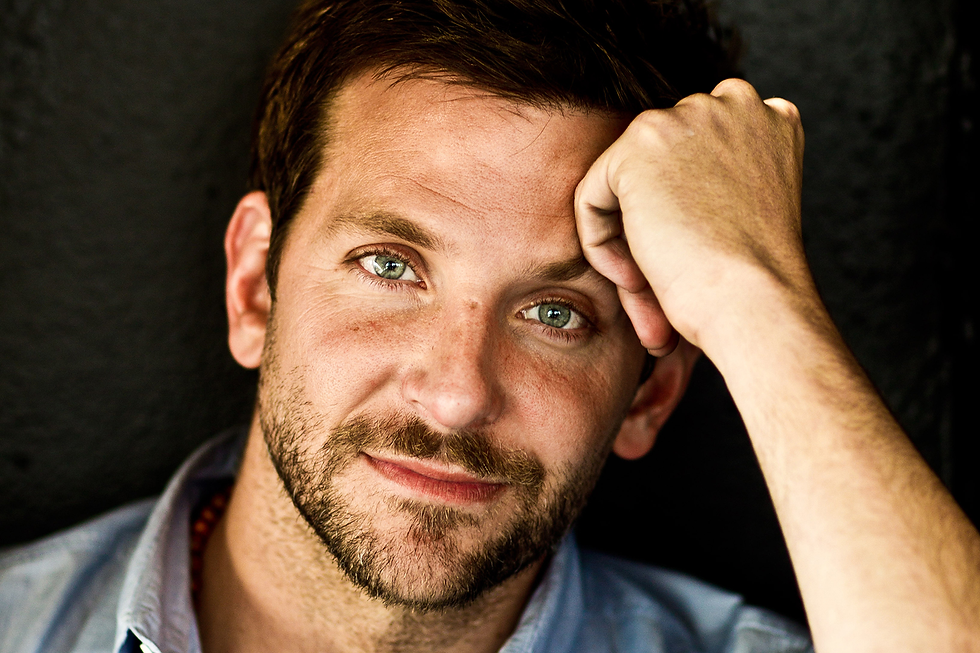
He stands there leaning over the sun-kissed table of the Philly restaurant, fixated on clicking through the dials of the camera. A hand crawls out of the shadows on his side. "Hey, I'm Bradley!" There stands Bradley Cooper, his smile lighting up the room, as he waits for his photographer, Shea Winter, to work the lighting on the camera.
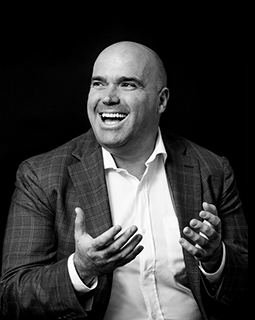
A Philadelphia-born portrait, editorial, commercial and wedding photographer, Shea Winter, explains his journey from the heart of Pennsylvania to the heart of Dubai.
Winter's story began in Pennsylvania's largest city, Philadelphia, which he left for sunny California in hopes of setting off a career in Hollywood. After diving into the realms of film at the University of Southern California, Winter quickly realised the overbearing dependency on other people in Hollywood. On film sets, you spend each day relying on 300 imperfect people to do a perfect job. Hollywood leaves no room for flaws across the enormous threshold of people working on a single shot. Winter recalls meeting frustration with that to the point where film sets and actors slowly faded into HIV, orphans and victims of organ trafficking, but this time, played by real people.
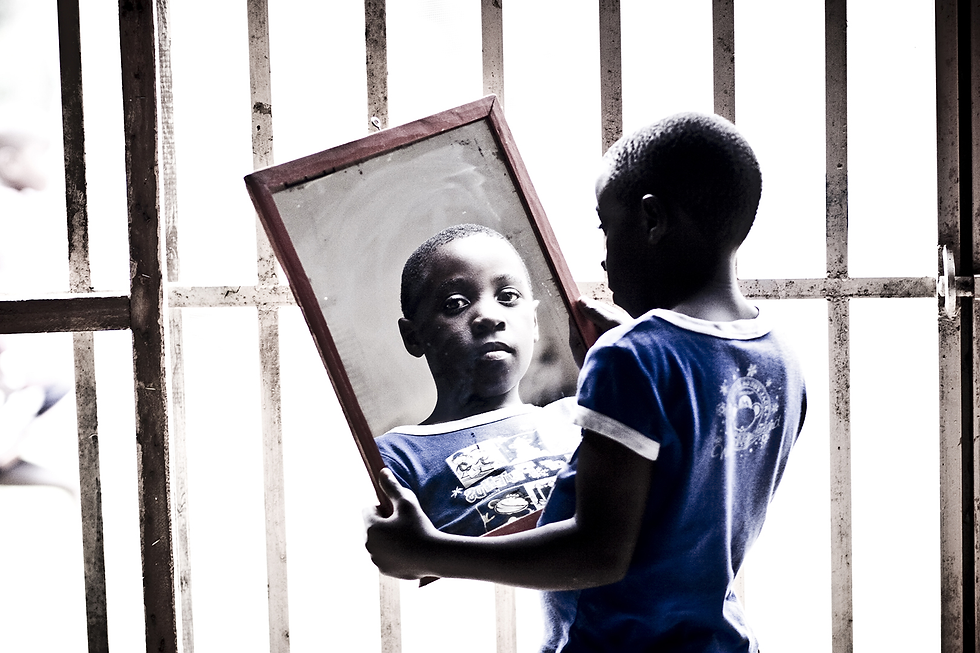
In choosing to leave film for photography, Winter knew that mistakes, whether they be weak composition or under-exposed images, all could be fixed by the hands of Winter himself. "I knew I could brush it over my shoulder, get back up and do it better next time. I aimed for that autonomy,” he explains. This desire for complete control fueled his trip back to Philadelphia to do fine-art photography.
Towards the end of his college days living in his mother's "garage-apartment", Winter flew his senior thesis to Moldova, where he took on an organ-trafficking project in Eastern Europe, in 2004. For a month, Winter lived with two doctors, exploring various villages whose darknesses sheltered men who sold their kidneys for upwards of 3000 dollars.
When the States welcomed Winter back into their arms, his thesis caught the attention of a couple of photo editors, one of them being someone from the New York Times. "It wasn't that my pictures were stunning. It was that I was a senior in college who was privileged enough to travel to this incredibly foreign country and do an in-depth and thoughtful story to try and spread awareness about a real problem in Eastern Europe." Almost as soon as Winter walked through the airport doors beyond the American border, the New York Times stood holding its doors open for a six-year position as a freelance photographer.
During his freelance journey, Winter continued to swim further into the depths of humanitarian work. In Philadelphia, Winter took on numerous roles for the Red Cross organisation. With each passing Floridian hurricane, Winter found himself living on planes before wandering the grounds of once flourishing neighbourhoods, whose streets now housed destroyed citizens in need of basic, daily necessities. "Anywhere I could get humanitarian work, I'd do it, and that carried over into photography,” he shares.
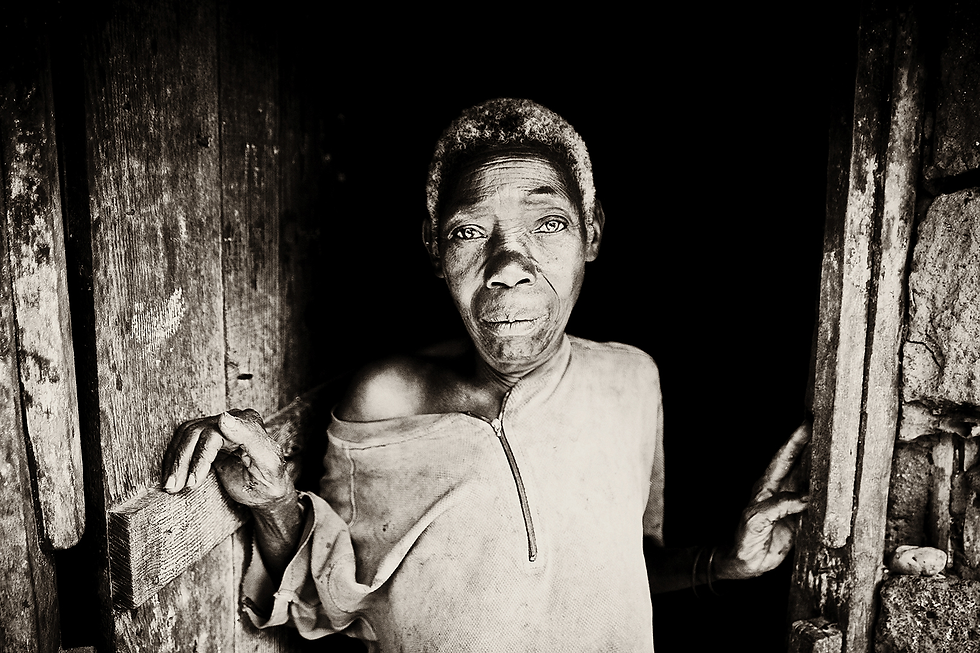
An example of this transition was Winter spending two years on the Board of Directors of an orphanage in Uganda. "I shot a lot of powerful pictures which were put in galleries and raised a lot of money, but the challenge is, this kind of work wears on you,” he expresses. Due to the abundance of orphanages in Uganda, the one Winter worked for only accepted children who met one of the following criteria: double orphans - must lose mother and father, HIV-positive orphans, or former child-soldiers dealing with extreme psychological problems. Winter recalls his experience as a member of the board as a favourable time in his life: "Our board was incredible; everything was in place." However, after spending extensive amounts of time photographing children with HIV and working on documentaries within the walls of hospitals and HIV wards, these walls began to close in. "It starts to take a toll on you, which happened to me,” recalls Winter.
In an attempt to step away from humanitarian work, Winter stepped into the glamorous world of weddings. This shift in both his personal and professional journey began generating revenue. Funding for humanitarian work was challenging to obtain, yet photography had the opposite effect. Winter admits: "In the beginning, I was probably about 51% artist and 49% businessman. Then the switch went off, and I became a 51% businessman and 49% artist." He started marketing his work to international magazines, which led to magazine shoots starring Bradley Cooper, Ethan Hawke and other celebrities. Through his editorial work, Winter managed to build an impressive portfolio.
His new company, The Burgundy Blue (TBB), practices methods of attracting the "most discerning clients, looking for the most high-end photography." Creativity on this level raises its foundation beams from the clientele, regardless of whether it represents large-scale corporations' veils trimming their heads, or restaurants wanting their menus to visit a photoshop-surgeon.
On how he arrived in Dubai, Winter reveals: "Ultimately, when you work as an individual photographer, you are again going to find limitations to grow, and that's what brought me to Dubai. I wanted to be part of a bigger machine, and DigiPhoto, which is the company I work for now, is present in 16 countries."DigiPhoto, the market leader in imaging services and solutions, provided Winter with the support to open up The Burgundy Blue and his plan to multiply in other countries once the established vertical "got off the ground." All Winter's portfolios - corporate headshots, food and beverage, events, and concerts - were collected and encompassed on TBB's website.
Shea Winter's success left a trail through the New York Times, ABC News, Warner Bros. Studios, National Geographic, SEADOG and several magazines including the New York Observer, Runners World and Philadelphia Magazine. Still, his humble nature is evident in his appreciation towards the memories his mind now accommodates.
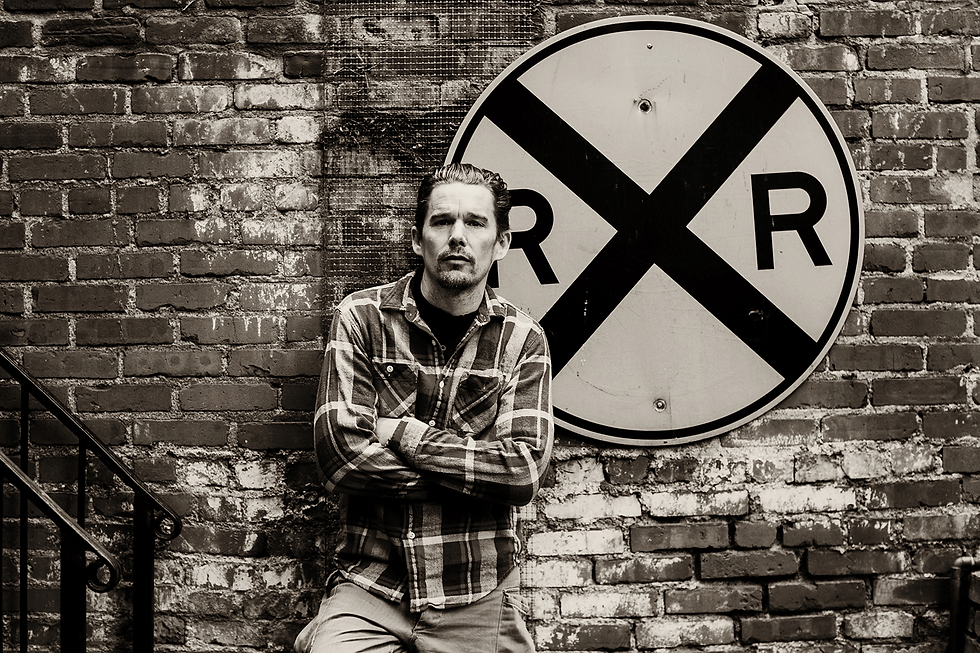
From witnessing the kind essence of Bradley Cooper to falling in love with Chinese and Argentinian cultures, Winter depicts photography as a people-loving, emotion-evoking storyteller, coated in beautiful landscapes, just like icing on a cake.
"We're human, and the world today is on fire; from Hong Kong to Syria, just across the board. It is a very challenging life for so many people. Stories are being told, but because they have been told for so long, everyone forgets about them,” he comments on the challenges of modern journalism.
Touching on the technical aspects of photography, Winter prefers to "work on the fly." Refusing to look at any buttons on the dial, he leans into the manual route: "It's literally ingrained in me at this point; I don't take the camera away from my eye to change any setting, but again, that's 15 years of shooting pictures."
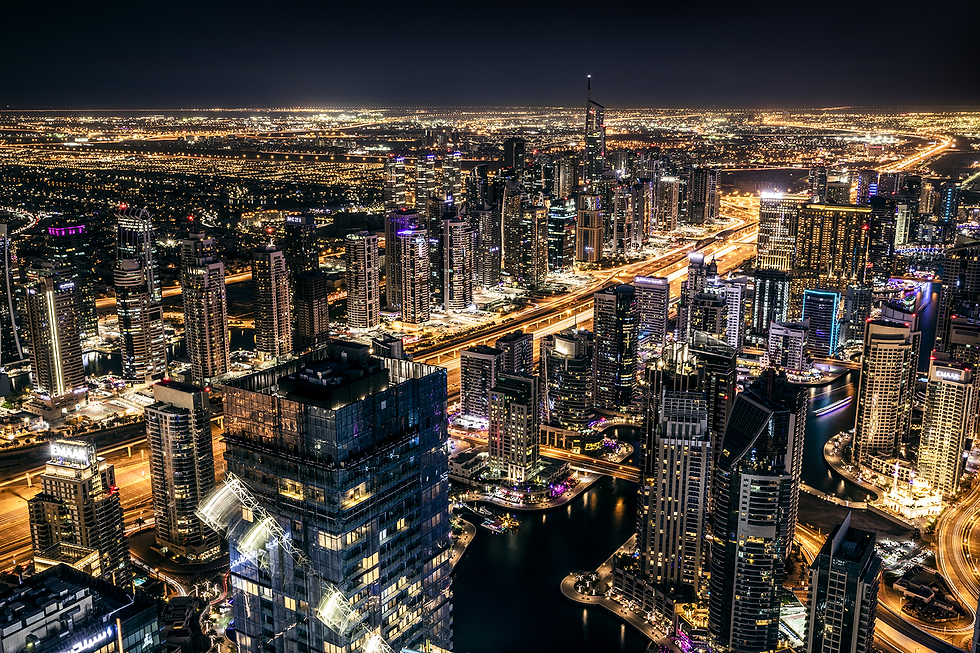
Most of Winter's free-time is spent producing fine-art prints, sold all over the country, or being the first to climb The Dubai Frame for some epic shots. He continues to travel around the world in search of opportunities for beautiful sunrises and sunsets, which he then turns into panoramics or composed photographs. "I guess the sky is the limit, especially in Dubai, until it's not,” Winter concludes with a chuckle.
Follow Shea Winter and his photography ventures via his Instagram: @sheawinterphoto and blog: Shea Winter Photo.


Comments